
Our Process
The Best Way to Waterproof a Basement Starts With Finding the Real Problem
Water in a basement can come from more than one place. It may be coming through the foundation wall, collecting around the footing, running back toward the house because of poor grading, or sitting against the wall because drainage isn’t working.
That’s why SBW doesn’t guess. Before anything gets recommended, Rafael comes out, looks at the property, and explains what he sees in plain terms.
Request a Free Assessment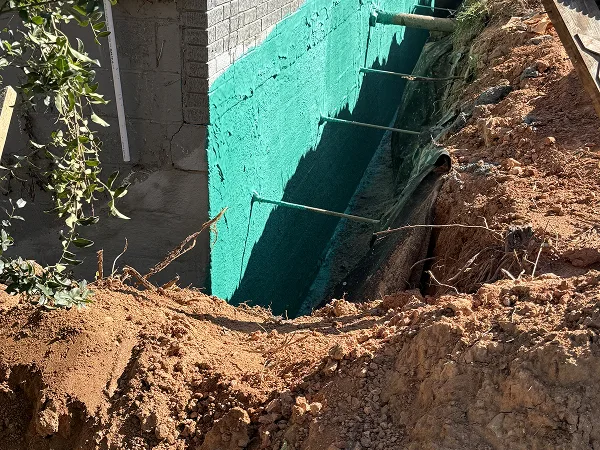
How It Works, Step by Step
Free Site Assessment
The first step is a free site visit. Rafael comes out to look at the foundation wall, drainage, grading, and any visible signs of water intrusion. Most visits take 10 to 30 minutes.
During the assessment, he’s looking at:
- Where water appears to be coming in
- Whether the foundation wall is wet, cracked, or damaged
- How deep the wall goes
- What kind of drainage may be needed
- Whether the grade is moving water toward or away from the foundation
You don’t need to know the right solution before you call. That’s what the assessment is for.
Clear Explanation of the Problem
Once the assessment is done, Rafael explains what he found. Some homes need a full exterior waterproofing system. Some need crack repair, drainage work, or grading adjustments. Some have a clogged downspout line that’s been sending water toward the foundation for years.
No scare tactics. No contractor jargon. Just a clear explanation of what needs to happen and why.
Written Itemized Proposal
After the site visit, you receive a written proposal by email. Every line item is spelled out so you can see exactly what’s included.
Depending on the job, the proposal may include wall preparation, Thoroseal or foundation sealing, waterproofing membrane, insulation protection, drainage, gravel, backfill, and grading.
If you’re comparing waterproofing basement cost between companies, this matters. A vague single number doesn’t tell you what’s actually included. An itemized proposal does.
Rafael can often give a price on-site. When more detail is needed, the proposal follows by email.
Scheduling
Once you approve the proposal, the job gets scheduled. Most projects begin within about two weeks, depending on weather and the current schedule.
The crew is typically on-site from around 8:00 AM to 3:30 or 4:00 PM. Most jobs take two to five days depending on the size of the wall, foundation condition, and drainage scope.
The Work
One crew handles the job from start to finish. That means excavation, wall prep, crack repair where needed, membrane application, membrane protection, drainage, backfill, and final grading. Why one crew matters.
The best way to waterproof a basement is to treat the whole system, not just the wet spot. Every step affects the next one. A wall that isn’t properly cleaned won’t hold the membrane. Drainage that isn’t right leaves water sitting against the wall. Grading that sends water back toward the house undoes the work.
Rafael Oversees the Job
Rafael is involved in every job. He knows how the wall should look before the product goes on, how the membrane should be applied, and what needs to be verified before the wall is backfilled.
You’re not getting a crew that’s learning on your foundation. You’re getting an experienced team that knows the details and takes them seriously.
Final Review
Homeowners are welcome to check in during the process, especially before backfill. Contractors can request photos or updates for project documentation.
At the end of the job, the work is complete, drainage is in place, backfill is handled, and the final grade directs water away from the foundation. The job site is cleaned up before we leave.
Warranty Documentation
Residential customers receive written warranty documentation at completion. That includes a Lifetime Limited Warranty on the Rub-R-Wall product and a 40-year workmanship warranty from SBW. Full warranty details.
What Affects Waterproofing Basement Cost
Every foundation is different. Waterproofing basement cost depends on several factors:
How much of the foundation needs to be waterproofed
How deep the foundation wall is
Whether hand digging or machine excavation is needed
Foundation crack repair where needed
Whether the wall needs Thoroseal or crack repair before waterproofing
What type of drainage the job calls for
Whether grading is part of the scope

That’s why SBW starts with a free assessment and an itemized written proposal.
You know exactly what’s included before anything begins.
Contractors
For builders and general contractors, the process is the same: site visit, written proposal, scheduled work
SBW can provide general liability and workers’ compensation certificates when needed. Permits remain the general contractor’s responsibility.
For Contractors
Ready to Find Out What Your Foundation Needs?
You don’t have to diagnose the problem before you call. If you have water coming in, a wet foundation wall, drainage issues, or a new build that needs waterproofing before backfill, Rafael will come take a look and explain the next step.